Templates are great. They give you a structure, a baseline design, and something working in an afternoon instead of three weeks. For a lot of small businesses, that’s exactly the right starting point. The problem is when a template stays a template — when nobody does the work to fit it to the actual business. Templates handle the easy 60% well. The remaining 40% is where customers form most of their impressions, and it’s also where the template stops helping you.

What templates do well

A modern template gives you a clean visual foundation: typography, spacing, mobile responsiveness, color systems, and predictable layout patterns. You don’t need a designer to put together something that looks reasonable. The grid is sound, the buttons are styled, the headers don’t collapse on mobile. That’s a real value, especially for businesses that just need to be online quickly.

What templates can’t do

The 40% that templates miss is the specifics — the parts that make your site feel like your business instead of a placeholder. That includes:

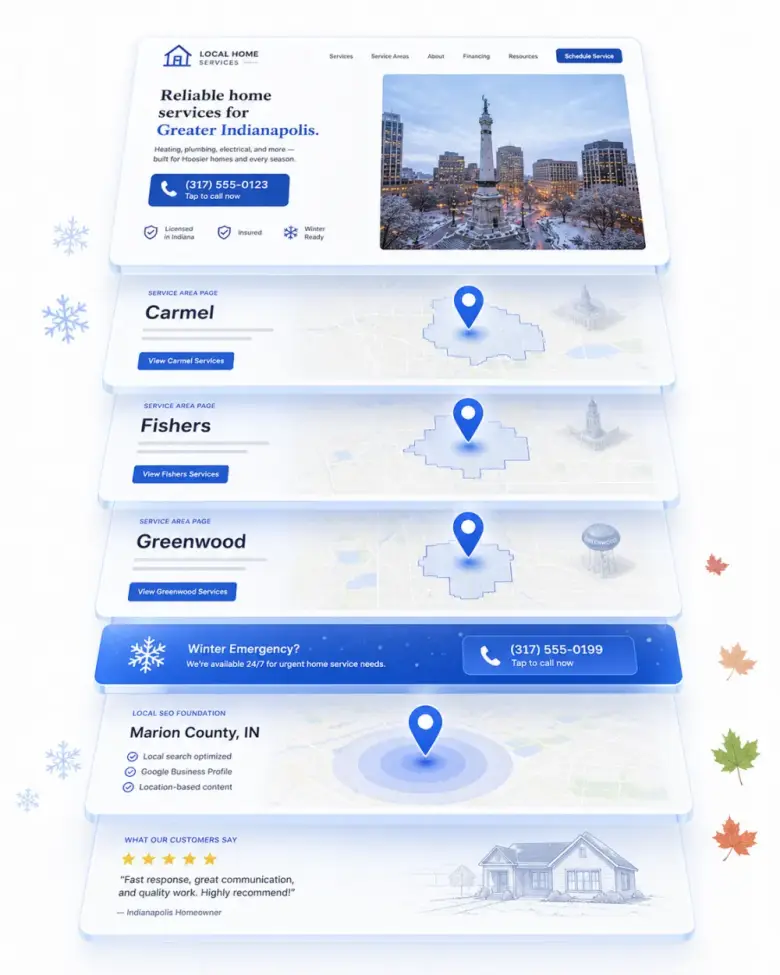
The right structure for your specific services. A template assumes a generic homepage. A real plumbing business needs an emergency banner, a service grid that matches the services they actually offer, separate pages for each service area they cover, and trust signals tuned for their market.

Real photography. Templates ship with stock photos. Customers can spot stock instantly. The single biggest visual upgrade most small-business sites need isn’t a redesign — it’s replacing the stock photos with real ones.

Copy that sounds like you, not the template demo. “Welcome to our business” is template-default copy. “Same-day water heater repair in Round Rock — 24/7” is what a real customer needs to see.

Real conversion engineering. Click-to-call buttons placed where they actually convert. Sticky mobile bars. Form fields tuned for your industry. CTAs that match your sales process.

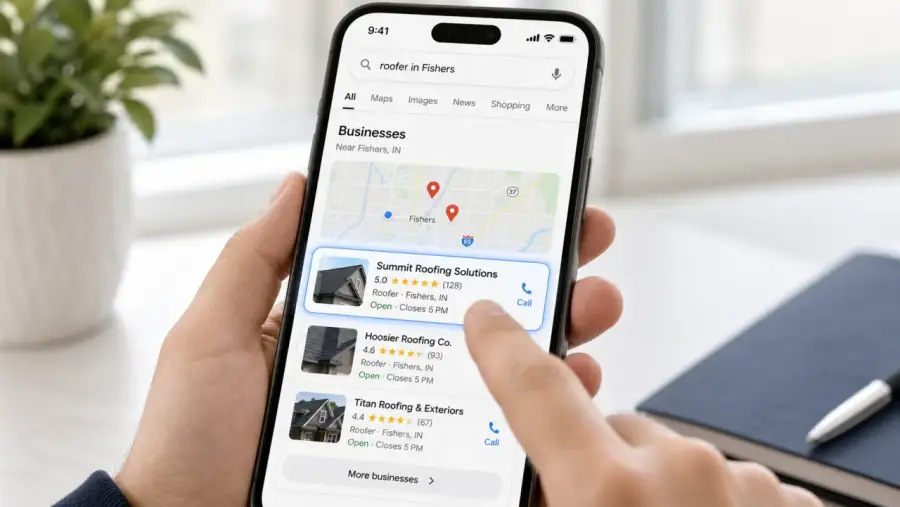
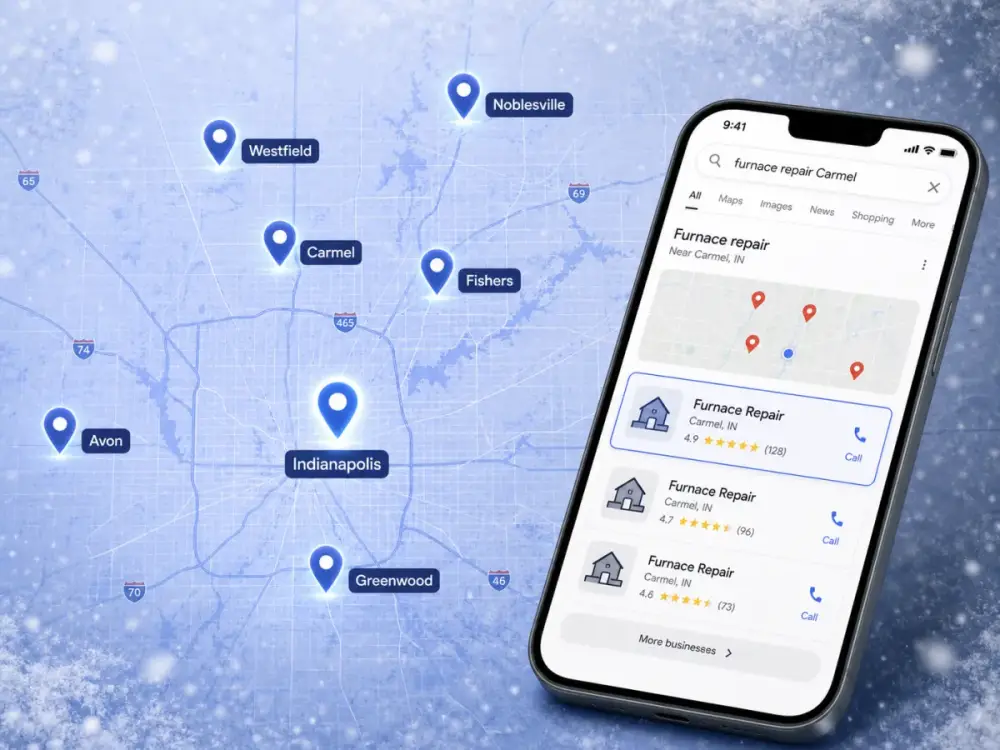
Local SEO setup. Schema markup tied to your business and service areas. Service-area pages. Connected Google Business Profile. None of this comes with the template.

Why “custom-built” doesn’t have to mean “built from scratch”

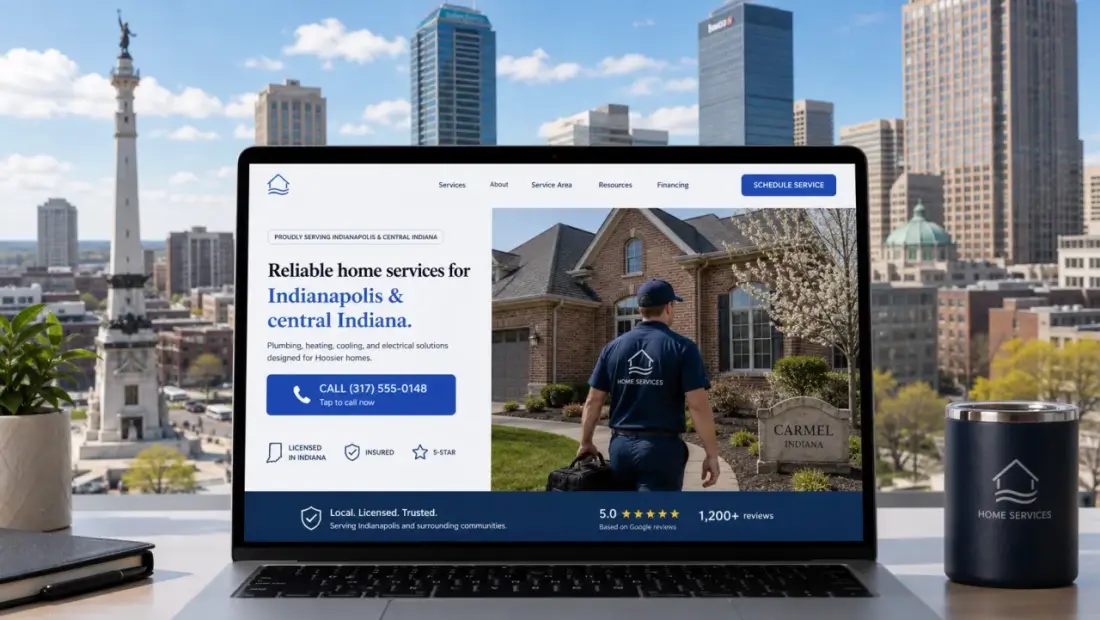
The most efficient pattern is a strong baseline (a well-built theme or framework) plus the customization that makes it actually work for your business. That’s the modern definition of custom-built — not hand-coded HTML, but a real foundation thoughtfully tuned to your services, audience, and conversion goals. You skip the wasted effort of inventing the wheel and you skip the wasted effort of running on a generic template.

How to tell the difference on someone else’s site

Open a site you suspect is a stock template. Tells:

• Hero photo of generic smiling tradespeople you’ve seen on other sites.
• Generic copy: “Welcome,” “Quality service,” “We pride ourselves on...”
• Service icons that don’t match the business’s actual services.
• A “Contact” link in the menu but no prominent “Call Now” button.
• An About page with one paragraph and a stock office photo.
• Footer that still says “© 2022 Your Company.”

Each one is a sign nobody finished the job. The template did the easy 60%. The remaining 40% is what would have made it actually work — and it’s exactly what shows up in conversion rates.

Want a website that actually does this?

$100 to build. $25/month to keep it running. No contracts, free homepage mockup before you pay a cent.

Get My Free Homepage Mockup

Get a Website That Puts All of This to Work

$100 build. $25/month maintenance. Free homepage mockup. No contracts.

Get a Free Homepage Mockup