For a long time, “SEO” basically meant “cram the keyword into the page enough times.” Pages would say “plumber Austin plumber Austin plumber Austin” in the footer, in white text, in image alt tags, anywhere they could fit it. Google figured that out years ago. Today, keyword stuffing is one of the fastest ways to actively hurt your rankings. Modern keyword strategy looks completely different — and it’s actually simpler.
What a keyword really is
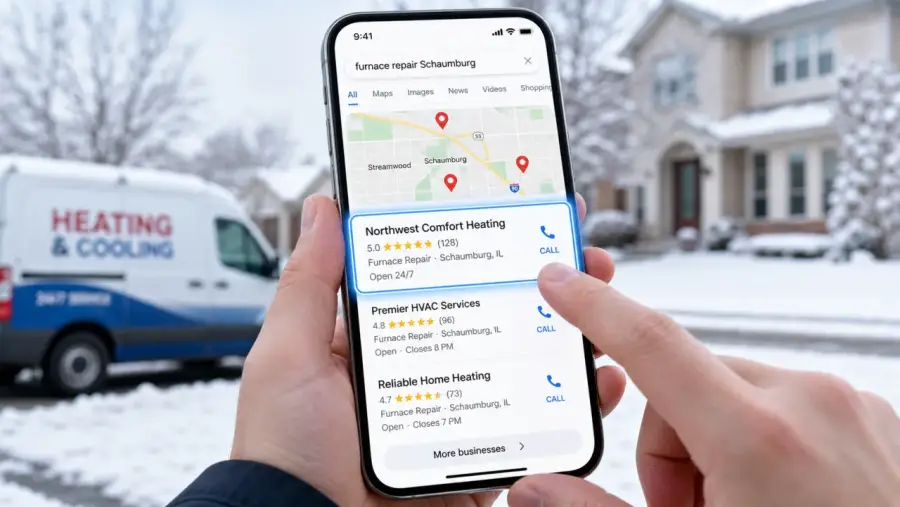
A keyword is just the phrase a customer types into Google. “Roof leak repair near me.” “Best landscaper in Round Rock.” “How much does a water heater cost.” Each one tells Google something specific about what the searcher wants — and Google’s entire job is to match that phrase to a page that genuinely answers it.
So the real question isn’t “how many times should I say my keyword?” It’s “does my page actually answer this exact thing the customer is asking?”
How Google reads a page now
Google doesn’t count keyword density anymore. It uses natural-language models to understand what a page is about — much like a human skimming it. The signals it actually weighs are:
The page title and H1. The single biggest signal. If your page is about “water heater repair in Austin,” that phrase needs to appear in the title tag and main heading — once, naturally.
Surrounding context. Does the page mention related terms — tankless, gas, electric, leaking, pilot light, replacement, install? That cluster of context is how Google confirms it’s a real page about water heaters, not a thin page that just stuffed the phrase.
The questions the page answers. Does it actually address the things people searching this phrase want to know? Cost? Timeline? Warranty? Emergency availability?
The structure. Clear headings, scannable sections, fast load time, clean URLs.
Why stuffing backfires
Modern Google has explicit penalties for keyword stuffing. A page that overuses the same phrase looks unnatural to the algorithm and to readers. Worse, it signals “low-quality content trying to game the system,” which is exactly what Google’s spam filters are built to demote.
You can also stuff yourself out of relevance. A page that mentions “plumber” forty times but barely talks about emergency repairs won’t rank for “emergency plumber” — Google reads that as a generic plumbing page, not the specific service the searcher needed.
How to actually use keywords
One main keyword per page. Each page should target one specific phrase a customer might search. “Emergency plumber Austin” gets its own page. “Water heater installation Austin” gets its own page. Don’t cram both into the homepage.
Use it where it counts. Page title, H1, the first 100 words, one subheading, and once or twice in the body — naturally. That’s it.
Write for the actual question. If the customer is searching “how much does a water heater cost,” the page should answer that question with real numbers, not bury it under a sales pitch.
Use related phrases. Synonyms and related terms (Google calls them “entities”) help confirm relevance. A roofing page should naturally mention shingles, leaks, gutters, flashing, warranty, etc.
The shortest version
Pick one specific phrase per page. Use it where Google looks first (title, H1, opening). Then write the actual best answer to that question. That’s modern keyword strategy. The pages that win aren’t the ones with the most keywords — they’re the ones that most clearly answer what the customer typed.
Want a website that actually does this?
$100 to build. $25/month to keep it running. No contracts, free homepage mockup before you pay a cent.
Get My Free Homepage Mockup